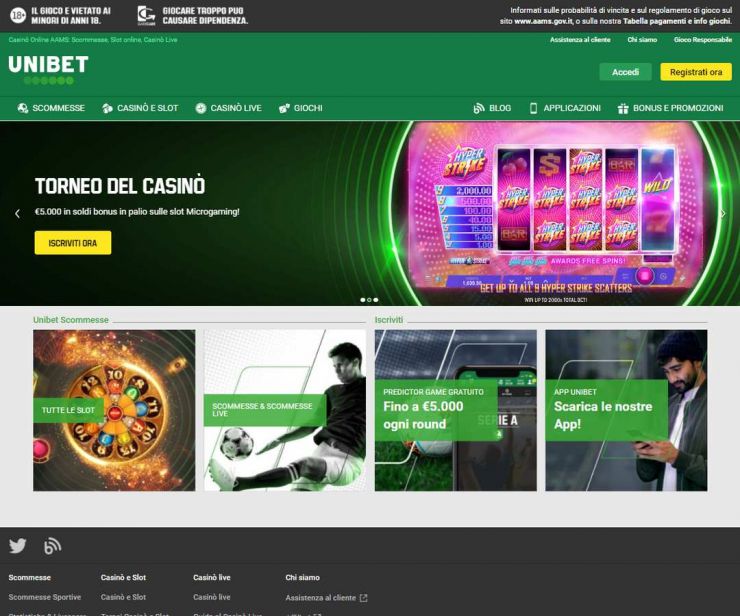
Following years betting at online casinos across the UK, I’ve realised something. A large welcome bonus or a extensive list of games isn’t worth much if the site itself is insecure. My primary question about any platform is invariably about security. It’s not just protecting my deposits. It’s about protecting my identity and guaranteeing every game I play is fair. Unibet Casino has been established a long time and has a reputation as a safe place to play. I wanted to see beyond the sales talk and assess personally. This breakdown covers Unibet’s security from my perspective, as a cautious UK player. I’ll go through their licensing, encryption, fair play checks, and the tools they provide to maintain responsible gaming. This is about what these features really represent for someone accessing to play with real money. My trust is not automatic; it has to be won through obvious, multi-layered protection that meets both the UK’s stringent rules and my own need for safety online.
Player Protection Tools: Protection from the Inside

The best external security features globally won’t assist if I can’t manage my own play. Real, player-focused security must include strong responsible gambling tools. From where I sit, Unibet’s offering here carries the same weight as their encryption. These aren’t afterthoughts. They serve as practical instruments for setting my own boundaries. I can set deposit limits for a day, a week, or a month. This establishes a hard stop that blocks me from spending too much in a single session. Options including reality checks and session timers are incredibly useful. They pop up to tell me how long I have played and how much I’ve wagered, breaking that immersive flow that can occasionally make time disappear. The option to take a short timeout or a longer self-exclusion directly from my account allows me to step away without having to explain myself to customer service. These tools represent security on a personal level. They recognize that risk can come from within and give me the structure to play within my means. In the UK market, where protecting players is a core part of the rules, how deep and accessible these tools become shows an operator’s commitment to my long-term wellbeing, not just my next deposit. Connecting with national schemes like GAMSTOP strengthens this safety net, showing a full-picture approach to preventing harm.
Openness and Explicit Terms & Conditions
A hidden or poorly described rule can be as harmful as a security hole. Because of that, transparency in the Terms and Conditions (T&Cs) is a pillar of my trust. I review the T&Cs of any casino thoroughly. Unibet’s UKGC licence requires them to display these rules clearly, accessibly, and equitably. This covers bonus wagering requirements, withdrawal times, how different games contribute to bonuses, and account rules. When terms are vague or hidden in legal language, it sets off alarm bells for me. Clear T&Cs protect my expectations and my bankroll. They prevent misunderstandings that could lead to frozen funds or a denied withdrawal. For example, being aware of the exact playthrough for a bonus lets me decide if it’s worth taking, protecting me from unexpectedly losing my winnings. The UKGC explicitly demands fairness in terms, and I know I can challenge terms that seem unfair. This transparency eliminates the mystery out of the relationship between player and operator. It supplants potential conflict with a clear, contractual understanding. It’s a kind of informational security that lets me play with full knowledge of the rules for my gameplay and money. The clarity should reach to promotional offers, so the attractive headline is underpinned by achievable conditions. This is a vital sign of an operator’s honest intentions.
Ongoing Monitoring and Anti-Fraud
Protection isn’t a one-time configuration. It’s a continuous system of watching and adjusting. A reputable casino like Unibet uses sophisticated automated systems that operate 24/7 to detect suspicious activity. This includes scanning for patterns that point to fraud, like a flood of deposits from various cards, attempts to employ stolen data, or players working together unfairly in card rooms. As a real player, this behind-the-scenes watchfulness is comforting. It means my account is tracked for any illegal login attempts. If the system notices a login from a machine or area I don’t typically employ, it might ask for extra confirmation. This forward-looking stance helps stop identity theft and account takeover before money is lost. The monitoring also covers gameplay to protect the integrity of the games, monitoring for banned programs or bots. I probably won’t see this system operating directly, but I perceive its presence in the total reliability and reliability of the platform. It’s a dynamic protection that responds to new dangers, ensuring the safety around my account and money is always operational and clever. This ongoing evaluation of how people behave and deal is what separates a truly protected platform from one that just has the basic, static protections in place.
Grasping the UK Gambling Commission’s Gold Standard
For anyone gambling online in the UK, trust begins with one body: the UK Gambling Commission (UKGC). This isn’t just a paperwork exercise. It’s one of the strictest and most active regulators in the world. Recognising that Unibet holds a valid UKGC licence indicates me they operate under a strict set of rules designed for my protection. The Commission compels operators to follow strict anti-money laundering (AML) procedures, keep player funds in separate accounts, and show their terms and conditions clearly. In practical terms, this signifies my money is held apart from the company’s own business funds. If Unibet had financial trouble, my balance should be safe. The UKGC also requires thorough age verification, which goes much further than just clicking a box to stop underage gambling. For me, this licence is my main line of defence. It gives me a direct path to complain to the UKGC if I have a serious dispute that Unibet can’t resolve. Choosing a site without this licence isn’t just a bit risky; it’s a needless gamble with my finances and personal details. It opens me to operators who might not follow the fairness and protection rules I should expect as a UK player. The Commission’s record of issuing heavy fines for rule-breakers adds another layer of confidence. It proves the rules are actively enforced, not just written down.
Identity Confirmation: A Essential Step for Safety
Some gamblers see the account verification process, often known as Know Your Customer (KYC), as an irritating delay https://unibetscasino.eu/en-gb/. I view it from a different angle. It’s a vital security step that safeguards me just as much as it safeguards the operator. When Unibet demands a copy of my driving licence, a recent utility bill, or a bank statement, they’re doing what the UKGC mandates them to do. They are confirming my identity, my age, and where I live. This procedure is a powerful block against fraudsters and money launderers. By making sure I am who I claim to be, it makes it very difficult for someone else to open an account in my name or use my payment methods. It also establishes a secure record of my own transactions. It might hinder my first withdrawal, but I value that this scrutiny builds a safer environment for every legitimate player. It means the person I’m playing poker against, or the integrity of a progressive jackpot pool, isn’t tainted by illegal activity. In short, this verification turns my account from a simple username into a securely authenticated identity. It adds a fundamental layer of legitimacy to everything I do on the platform. The step is thorough, but it’s typically a one-time thing that sets up a foundation of verified trust for as long as I maintain the account.
Cryptography: The Invisible Guard for Each Transaction
Every time I transfer money or submit a copy of my ID, I realize that data is moving across the internet. The method that secures it is SSL (Secure Socket Layer) encryption, and its robustness matters a lot. Unibet Casino uses the industry standard, which is high-grade 256-bit SSL encryption. What does that mean for me? All data moving between my computer and their servers gets encrypted into a code nobody can decipher. It’s the same system major banks use. I always check my browser’s address bar to see the padlock symbol and the ‘https://’ prefix. That’s my visual sign the connection is locked down. This encryption isn’t an optional extra. It’s a basic requirement that prevents third parties from intercepting my sensitive details. It keeps my debit card information, my password, and my personal documents secure during transmission. Without this shield, even the best licence wouldn’t mean much, because the simple act of playing could leave me open to fraud or identity theft. It’s the essential groundwork that allows all the other safety features work inside a protected space. The protection is constant, safeguarding not just payments but my entire session, so my gameplay and any private messages stay confidential.
Establishing a Culture of Security Awareness
In the end, the most cutting-edge security systems can be compromised by a minor mistake from the user. This is why the final, critical layer of security is a joint job. Unibet offers the tools and the safe environment, but I, as the player, have to maintain good security habits. This means following steps that should become routine: using a secure, distinct password for my casino account (a password manager helps), never sharing my login details, keeping my own device shielded with updated antivirus software, and steering clear of public Wi-Fi for playing. I also stay alert for phishing attempts. These are fake emails or messages posing to be from Unibet, demanding for my password or payment details. A real operator will never ask for this via email. By integrating Unibet’s strong technological and regulatory defences with my own disciplined habits, we build a formidable, combined security culture. This partnership is the ultimate safeguard. It lets me zero in on the entertainment of the games, assured that my safety is being taken diligently from every angle. To make this real, I stick to a personal security checklist every time I play:
- I verify I’m on the correct, official Unibet website before I log in.
- I log out after each session, especially on a public device.
- I activate two-factor authentication (2FA) if it’s accessible, adding that essential second step to the login.
- I regularly check my account activity and statement for any transactions I don’t recognise.
- I keep my contact details and email account safe, since these are often used for account recovery.
This personal discipline, layered on top of Unibet’s institutional security measures, establishes a complete defence. It recognises that security is a team effort, where the operator’s duty of care meets the player’s duty of caution. This final layer might be the most empowering of all. It puts a degree of control back in my hands, completing the circle of trust that starts with a regulator’s licence and ends with my own informed choices.
Fair Play Guarantee: The Function of RNG Certification
Safety isn’t just about data. It’s also about knowing the games are honest. I need to be sure every card shuffle, dice roll, or slot spin is completely random and not rigged to give the house an unfair advantage. This is where Random Number Generator (RNG) certification comes into play. External testing organizations like eCOGRA, iTech Labs, or Gaming Laboratories International (GLI) audit casino software. They test the RNG algorithms that drive Unibet’s games to confirm the outcomes are random, unpredictable, and fair over time. When I see an eCOGRA seal, I understand the games have been put through exhaustive testing. This external check is crucial. It means the advertised return-to-player (RTP) percentages for slots are accurate, and the house edge in table games comes from mathematical probability, not software manipulation. As a player, this lets me trust that my blackjack skill or my luck on a progressive jackpot slot is being tested on a level field. It alters the experience from a leap of faith into a verified game of chance with rules that can be checked. The test reports are usually public, which suits my habit of researching where I choose to play.
Payment Security: Confidence in Each Transaction and Payout
The point you move money is a point of high exposure, so how payments are secured is a major worry. Unibet Casino offers a variety of choices UK players are familiar with and have confidence in, and their security is different. Using straightforward approaches like debit cards (Visa, Mastercard) or bank transfers means giving my details with the casino, even though they are secured by SSL encryption. But e-wallets like PayPal, Skrill, and Neteller offer a substantial security plus. When I employ PayPal, I log into my distinct, highly protected PayPal account. Unibet has no access to my bank or card data. They just obtain a payment verification from PayPal. This creates a helpful buffer, restricting my financial vulnerability on the casino’s website. On top of that, all the leading payment companies operate their own strong fraud identification systems. The choice of PaySafeCard also allows for entirely anonymous, prepaid deposits. For withdrawals, Unibet’s practice of transferring money back to the way I employed to deposit is a critical security element. It blocks funds from being directed to an external account. This multi-layered strategy to payment security means I can pick a method based on if I prefer convenience, privacy, or an additional layer of separation. How swiftly and reliably withdrawals are processed, supported by this safe system, is the final, crucial measure of an operator’s financial integrity.