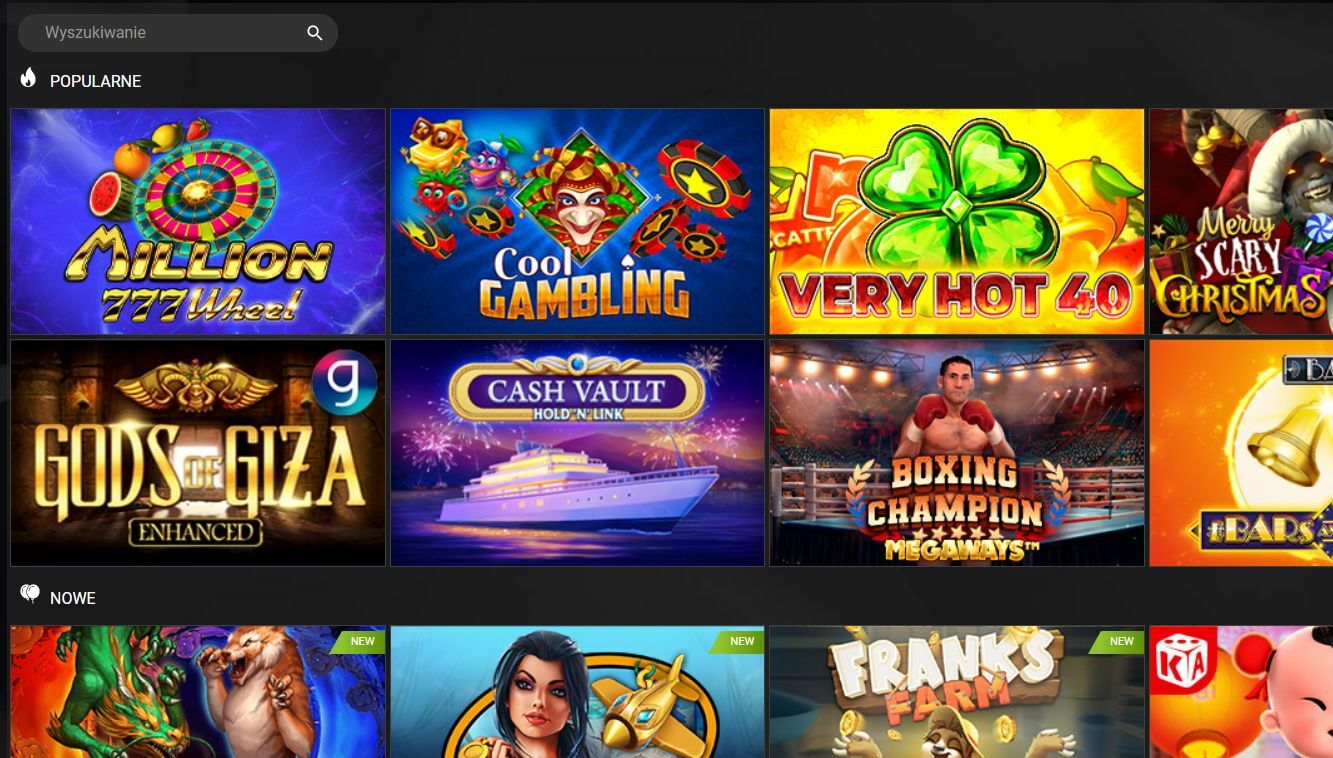
I’ve devoted a lot of time examining how online casinos create their biggest prizes, and nothing draws your attention like a network jackpot. At Wingaga Casino, the jackpot section sits right in the lobby, and once you understand the machinery behind those climbing numbers, you view the games differently. A network jackpot isn’t one casino’s invention. It’s a shared prize pool that keeps swelling, linking thousands of players across many operators. I’ll explain the mechanics, the role of game providers, verification processes, and what you should actually consider when you decide to chase a win that could transform your life on a platform like Wingaga.
1. What a Casino Jackpot Network Really Means
A casino jackpot network represents a pooled prize system run by a game provider, not by any single casino. As opposed to one operator funding a jackpot from bets placed only on its own site, the provider connects the same game across dozens or hundreds of licensed casinos. Every real-money wager on that specific title channels a small percentage into a central pot. I see this plainly at Wingaga Casino, where the jackpot slots you open are identical to those running on other platforms, and the prize figure you watch climbing is the same number a player in another country sees at the same moment. This interconnected design allows prizes to reach seven and even eight figures.
Standalone progressives generate their jackpot only from bets placed inside one casino. They can still be substantial, but they rarely match the speed and scale of a network jackpot. When I browse Wingaga’s jackpot category, I can tell the two apart almost instantly just by watching the prize counter. Network jackpots tick up in real time. During peak hours, they often jump several dollars a minute because contributions pour in from players worldwide. The casino doesn’t control the jackpot amount, the trigger moment, or the payout. It just hosts the game client that connects to the provider’s remote server, which handles every spin and every contribution.
6. What to Consider in a Casino’s Jackpot Selection
Game Variety and Developers
A robust jackpot lobby doesn’t depend on a single network. I search for a mix of long-running millionaire-makers alongside swifter must-drop and daily jackpot games. Wingaga’s platform brings together slots from several major studios. That indicates you can move between a enormous pooled progressive, a timed hourly jackpot, and a feature-laden video slot with an in-game bonus prize, all from one account. The jackpot category is distinctly labelled, and I can organize by provider or jackpot type. That saves time when I desire to evaluate current prize values and game volatility. This diversity means both recreational players and serious jackpot hunters locate something that fits their pace.

Bonuses That Support Jackpot Play
Jackpot games often contribute differently to wagering requirements, so I always read https://www.thestar.com/news/world/united-states/workers-death-at-california-federal-prison-investigated-for-possible-fentanyl-exposure-ap-learns/article_8b54f965-4e2a-5867-9869-82313289b74e.html the promotional terms. Wingaga usually provides a welcome package with a deposit match and free spins. Not every free spin batch works on network jackpots, but the casino frequently runs tournaments and reload offers that feature jackpot slots. I’ve noticed that cashback promotions can be notably helpful. They refund a percentage of net losses, which lessens the variance that comes with going after a progressive prize. Wingaga’s promotions page is updated regularly, and I make a habit of checking it before depositing so I can align my play with the best active offer.
Banking and Withdrawal Speed
Seamless banking is important when you are playing jackpot games https://wingagas.com/en-ca2/. You want deposits to process instantly and withdrawals to proceed without unnecessary friction. Wingaga provides a range of payment methods, including major credit and debit cards, e-wallets like Skrill and Neteller, and bank transfer. Deposits are handled immediately, and the cashier is secured with SSL encryption. Withdrawal times differ by method, but e-wallet payouts are generally the fastest. I also consider reasonable withdrawal limits, especially for jackpot wins. I appreciate that Wingaga’s support team can assist players through the enhanced verification steps that naturally come with a large prize payout.
On-the-Go Access and User Experience
Jackpot slots have to be playable wherever you are, because a must-drop timer does not pause when you step away from a desktop. Wingaga’s site features a responsive design that adjusts to iOS and Android devices without a separate app download. I’ve played several jackpot titles on a smartphone, and the touch controls, prize counters, and bonus rounds all scale cleanly. The mobile lobby loads quickly, and the same account, balance, and bonuses are available across devices. That consistency means I can monitor a growing progressive during a commute and still be in the running when the trigger fires. That’s just the sort of flexibility a serious jackpot player needs.
5. The way Jackpot Wins Become Verified and Disbursed
As soon as a network jackpot lands on your screen, the verification process starts instantly. The game client sends the spin data to the provider’s server, which confirms the win against its own logs. The provider then informs the casino, and the prize amount is sent to the operator for payment to the player. I value that Wingaga Casino operates under a recognized gaming license, because that compels the operator to follow strict payout protocols and keep player funds separate. The jackpot money itself is usually kept by the provider until the moment it’s won, adding an extra layer of protection.
Random Number Generator Certification and Integrity
Any network jackpot game uses a certified random number generator, tested by accredited labs like eCOGRA, iTech Labs, or GLI. The certification ensures that the trigger event is genuinely random and is unable to be predicted or manipulated by the casino or the player. When I gamble at Wingaga, I can usually find the RNG certificate details in the game’s help menu or on the provider’s website. This transparency is important. A network jackpot draws contributions from thousands of strangers, and the only way the system stays trustworthy is if every participant has the same unbiased chance of winning on any qualifying spin.
Withdrawal Processing for Large Wins
Obtaining a life-changing sum naturally raises questions about payout speed and limits. At Wingaga, the standard withdrawal framework is in effect to jackpot wins, but the casino might need to do enhanced verification for large amounts. I’ve observed that e-wallet withdrawals are often processed within 24 hours once the account is fully verified, while bank transfers can take three to five business days. Some providers award jackpots in a single lump sum; others offer an annuity option, though the lump sum is the default on most network games. I advise checking Wingaga’s terms and the specific game rules so you know exactly what to expect before you spin.
4. Must-Drop Jackpots and Scheduled Mechanics
Not all network jackpots grow without limit. A popular option is the must-drop jackpot, which ensures a payout before a set time or value ceiling. I find these especially interesting because they add a strategic element. A daily must-drop jackpot, for example, is programmed to pay out sometime within a 24-hour window. The prize counter renews when the timer restarts. The game doesn’t wait for a special symbol; the RNG simply picks a winning spin before the deadline. Wingaga’s collection includes several must-drop titles, and the countdown timers are shown prominently, so you always know how much time remains.
How Must-Drop Jackpots Vary from Standard Progressives
Standard progressives can run for months and reach enormous sums because there’s no upper limit or time constraint. Must-drop jackpots exchange that unlimited growth for predictability. The prize ceiling is often lower, but the hit frequency is much higher. I’ve noticed the contribution mechanics are similar: a fraction of each bet still adds to the pool, but the provider adds a rule that compels a payout when the jackpot hits a certain value or the clock runs out. This design makes the games feel more dynamic. At Wingaga, I often see must-drop jackpots paying out several times a day, which keeps the lobby active and the prize feeds refreshing constantly.
Number three The Part of Game Providers in Fueling Jackpot Networks
Casinos don’t build or manage jackpot networks. Specialist game studios design, operate, and certify them. Providers like Microgaming, NetEnt, Playtech, Pragmatic Play, and Red Tiger are the creators behind the most famous shared jackpots. When I look through Wingaga’s jackpot lobby, I’m really looking at a curated assortment of third party network games that the casino has licensed. The provider runs the main jackpot server, accumulates contributions from every active operator, and assures the prize funds are separated and ready. That isolation is vital. It means even if a casino faced financial trouble, the jackpot money would still be held and awarded by the provider.

The provider also governs the game’s return-to-player model and the jackpot initiation algorithm. Independent testing labs validate these systems, and you can usually locate the certificates in the game’s info panel. I always confirm that the games at Wingaga appear with the provider’s branding and that the help files reference a approved test lab. That verifies the network is functioning precisely the same as on any other licensed site. The casino’s job is to deliver a solid platform, process deposits and withdrawals, and deliver customer support. The provider takes care of the core jackpot mechanics, with no operator intervention.
Step 2. How Progressive Jackpots Build Up Over Casinos
Every time you spin a qualifying network jackpot slot, the game engine takes a tiny fraction of your bet and transfers it to the shared prize pool. The operator doesn’t pocket that fraction as revenue. The contribution percentage is fixed by the provider, and it’s the same irrespective of which casino offers the game. From what I’ve seen, standard contribution rates range between 0.5% and 2% of each wager, though providers seldom publish the exact figure. The rest of the bet pays for regular payouts and the casino’s margin. So when you try a jackpot slot at Wingaga, your stake functions exactly the same way as it might on any other licensed site carrying that title.
Starting Amounts and Contribution Rates
Every network jackpot begins with a seed amount, a guaranteed minimum prize supplied by the provider, or at times by the operator. When a jackpot hits and resets, it does not go to zero. It springs right back to that seed value. I’ve seen seed amounts as low as a few thousand dollars on daily jackpots and as high as several million on long-running progressives like Mega Moolah. The contribution rate then governs how fast the prize grows back. Since the seed and the rate are fixed, the jackpot’s growth takes a predictable path overall, although the exact moment of a win stays random. At Wingaga, the visible prize counter shows the live pooled total, so you always see the current value before you place a bet.
The Time a Jackpot Triggers
A network jackpot is granted through a random trigger built into the game’s math, not by getting a specific symbol combination on the reels like a typical win. On every spin, the RNG chooses whether to activate the jackpot round. The probability is generally independent of bet size, however some games need a minimum stake to qualify. When the trigger fires, the winning spin is registered, the casino is alerted, and the provider immediately restarts the prize to its seed amount. I appreciate that Wingaga displays recent jackpot win notifications. That tells me the system is active and paying out regularly to real players across the network.
7. Widespread Misconceptions About Progressive Jackpots
A single persistent myth I run into is the idea that a jackpot is “due” after it hasn’t hit for a while. Actually, the RNG trigger doesn’t remember. The likelihood of winning on any single spin remains the same, no matter how large the prize has climbed. Another misconception is that casinos can manipulate the outcome or hold back a win to boost the jackpot. Because the provider manages the core server and the RNG, the host running the game at Wingaga does not have access to the release mechanism. The sole factor the casino has control over is the level of the gaming experience. This is why I focus on licensing, game selection, and payout reliability as I pick where to play.
I also hear players concern themselves that jackpot wins won’t be awarded, or that the casino will invent reasons to withhold the money. A licensed operation like Wingaga is audited and adheres to strict fund-handling rules. The jackpot prize is normally paid by the provider to the casino for disbursement, and then the casino’s own withdrawal policies are enforced. Provided that your account is confirmed and you’ve met any required bonus terms, the money is yours. I always recommend checking the game’s help file and the casino’s terms. This supplants hearsay with verified fact and allows you to concentrate on the game itself.